
Technology & Engineering
Innovation At Every Step
Our integrated approach brings together digital design, advanced fabrication, and rigorous testing to deliver solutions that are precise, reliable, and patient-specific.
Where Custom Fit Begins
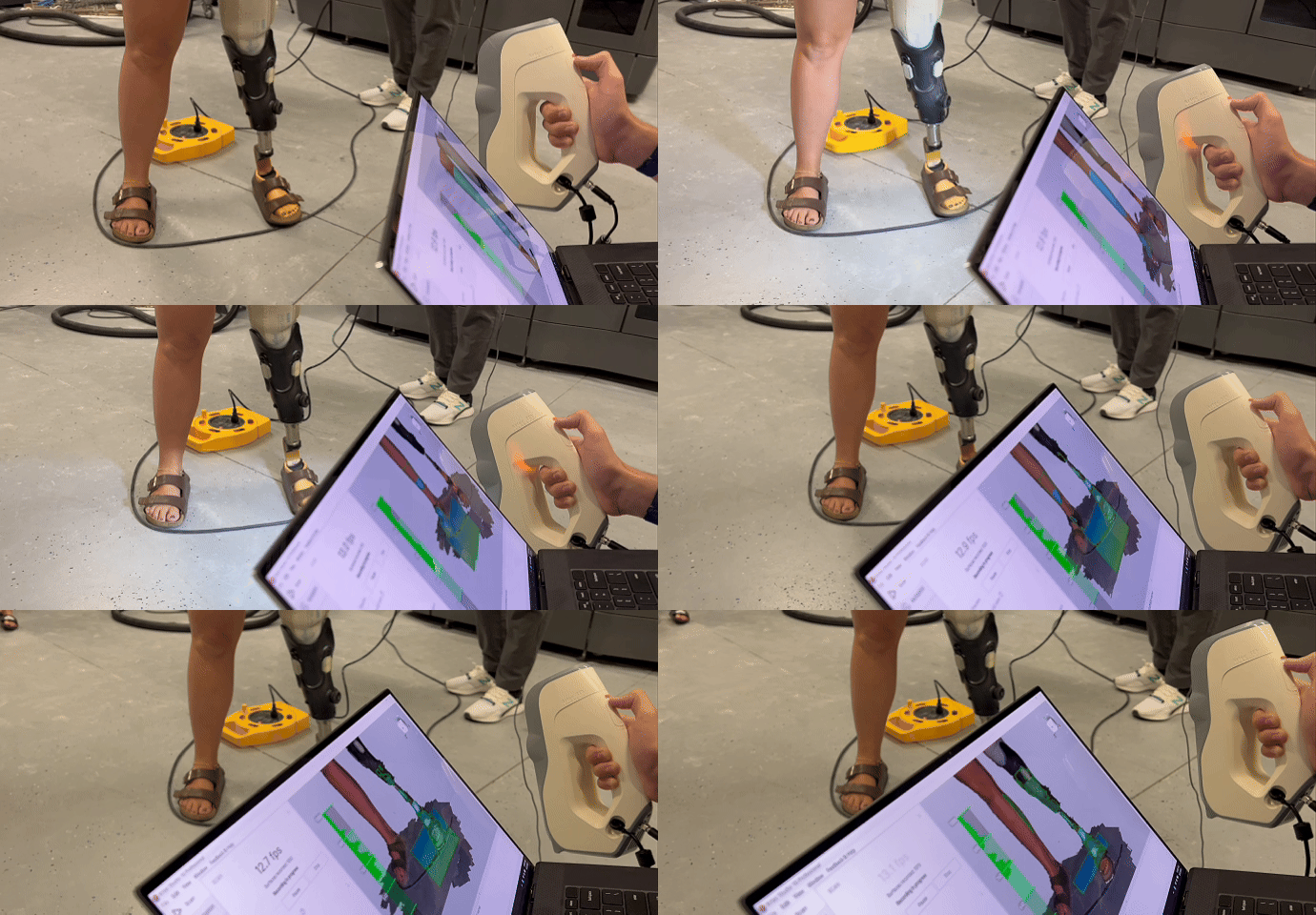
Quorum’s 3D engineering process begins with a digital scan, cast, or existing socket shape that is used to design a custom prosthetic solution around the individual user.
From there, our team refines the geometry, fit, and functional details. This digital workflow helps ensure each design is thoughtfully customized before moving into production, finishing, and final assembly.
Engineering the Fit in 3D
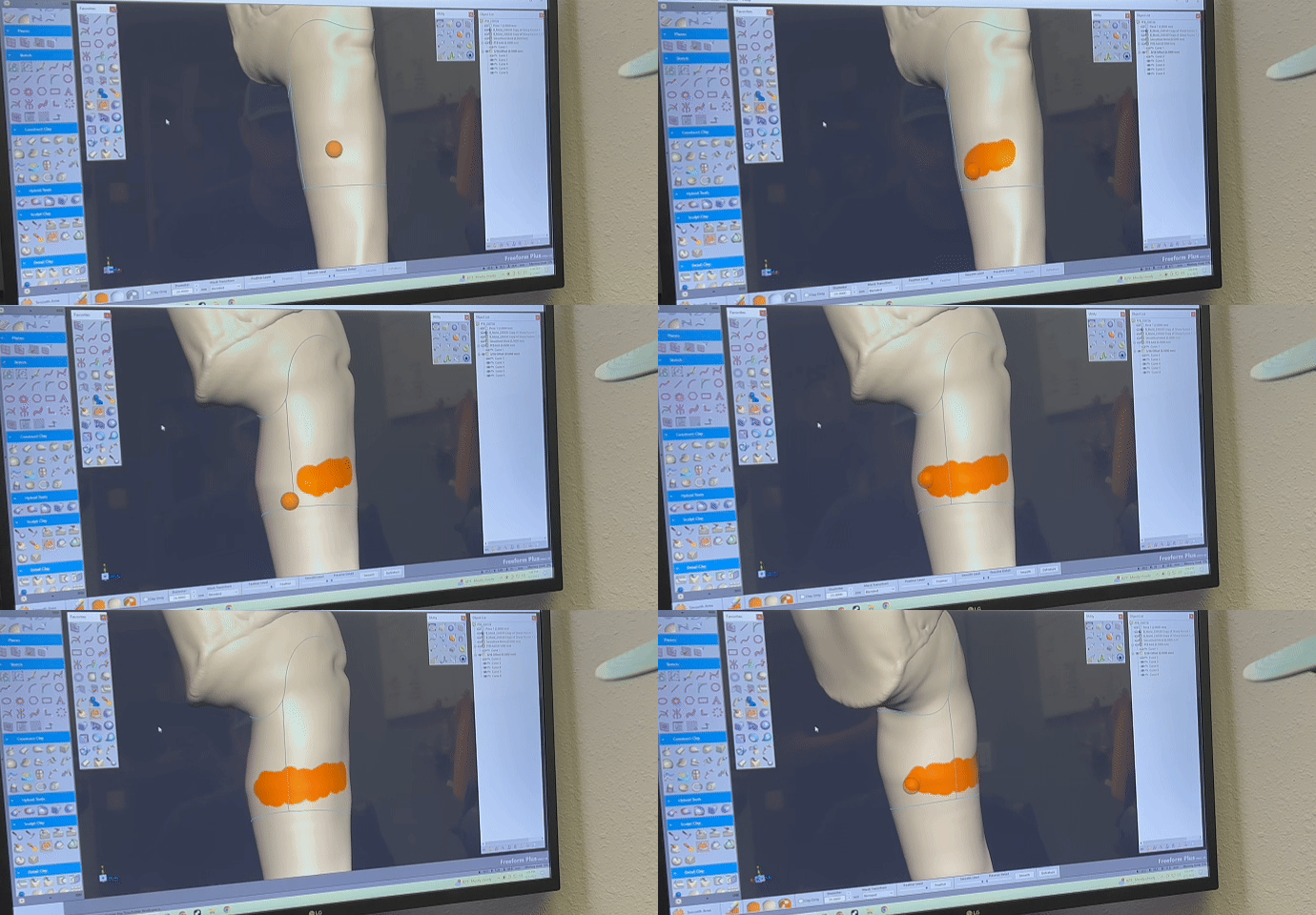
Once a scan is captured, we bring the socket into a digital 3D workspace where the fit can be shaped and refined before production. This allows our team to adjust geometry, panel placement, trim lines, and functional details with precision, creating a socket design built around each user’s anatomy and needs.
This approach helps improve consistency from design to production while allowing patient-specific customization.
HP Multi-Jet Fusion 3D Printing
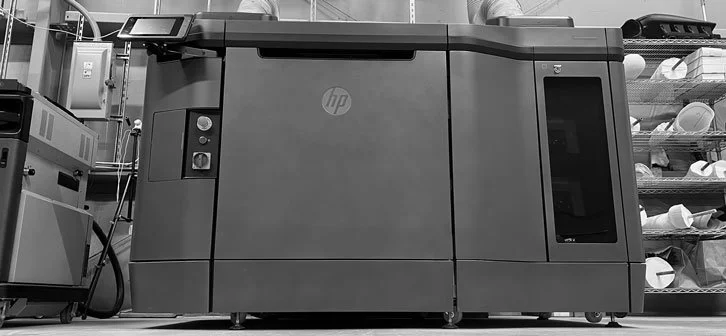
Quorum uses HP Multi Jet Fusion 3D printing technology for all 3D printed solutions, allowing us to create precise, repeatable prosthetic components tailored to each user.
This process combines flexible TPA for comfort-focused interfaces with durable PA12 for strong, lightweight structural parts built for everyday prosthetic use. By pairing these materials within a single build, we're able to achieve the right balance of cushioning and support in each device, without compromising on fit or function.
From Powder To Precision
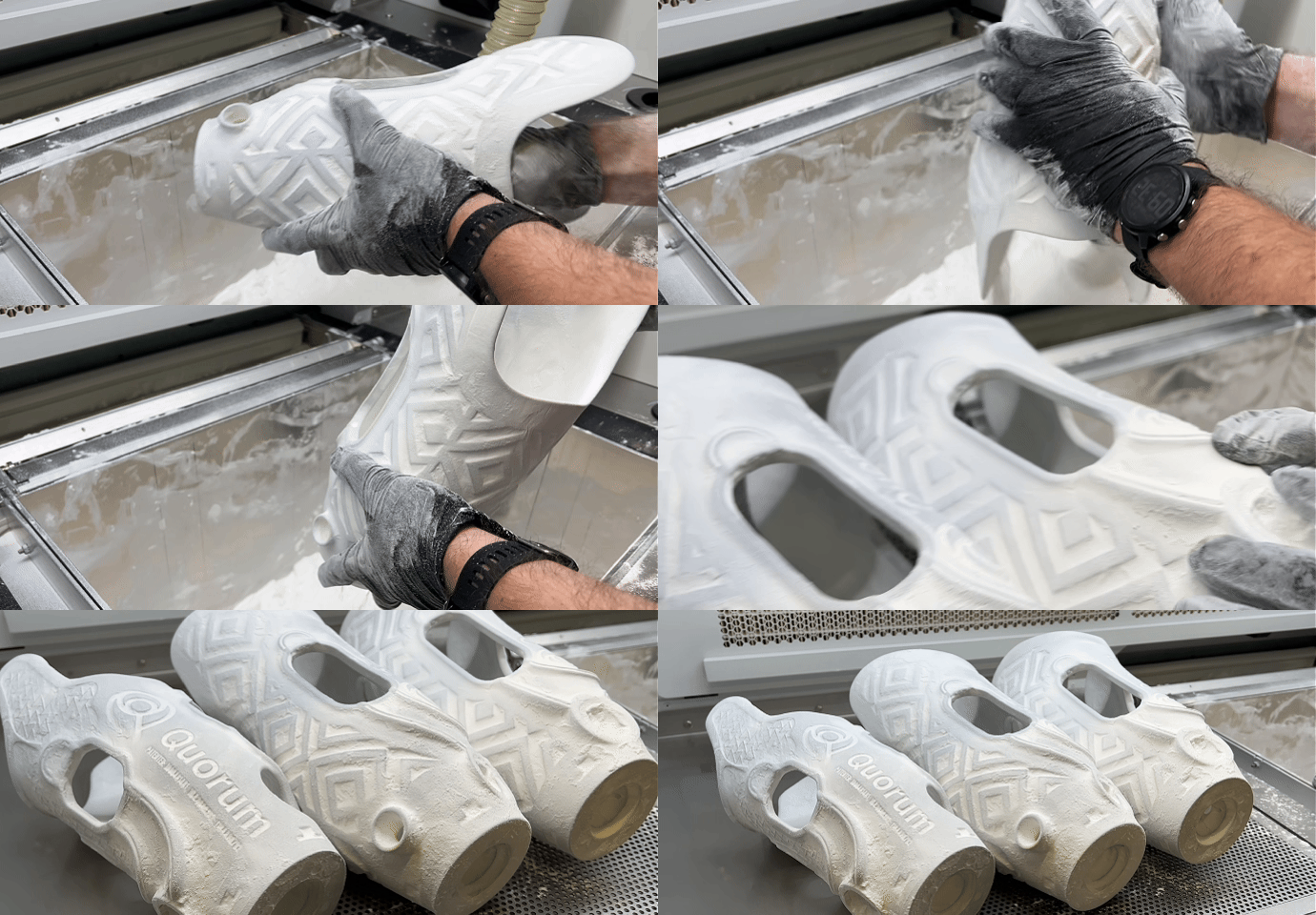
After printing, each part is embedded within a bed of unfused powder. Using the HP processing station, our team carefully unpacks the component, removes surrounding powder, and prepares the print for post-processing.
This step helps clean the part, recover unused material where appropriate, and ensure each component is ready for finishing, inspection, and assembly.
Performance You Can Measure
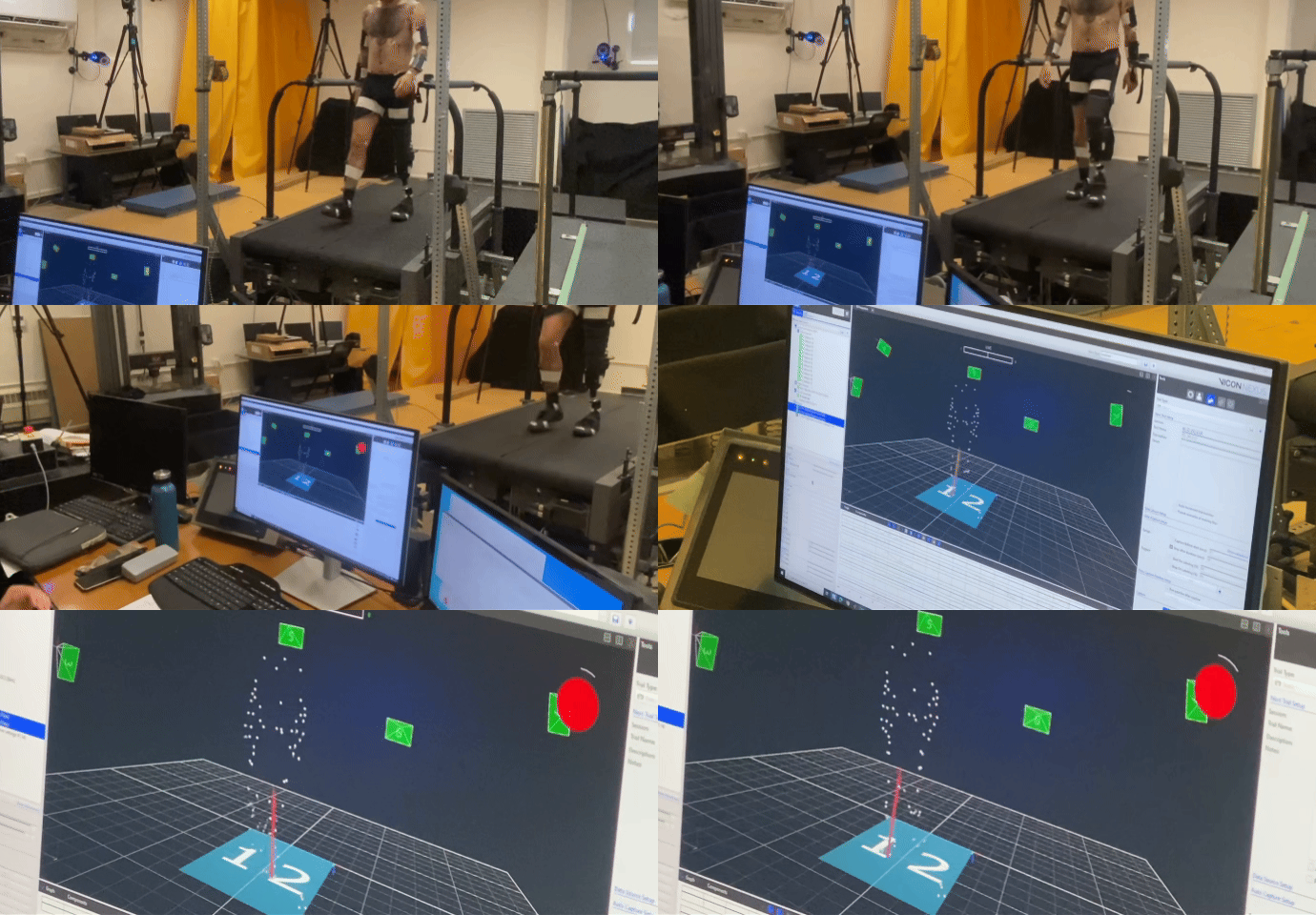
Quorum’s process is built around measurable performance, from digital design and material selection to final inspection. Each solution is reviewed for fit, structure, and function, with ongoing research evaluating comfort, stability, socket movement, and walking symmetry.
This helps connect engineering decisions to meaningful outcomes for clinicians, prosthetists, and users.
Featured Innovation:
Quatro Adjustable Socket
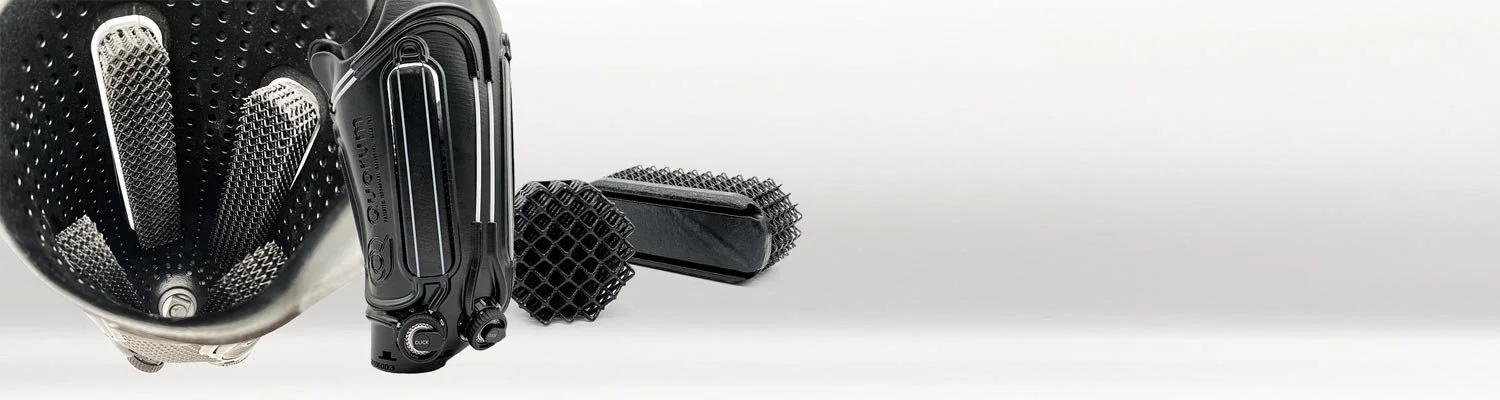
The Quatro Adjustable Socket is one example of how Quorum uses engineering and advanced fabrication to create custom prosthetic technology.
Designed with four replaceable, adjustable panels and a Click dial system, Quatro helps support targeted compression, comfort, and daily fit management.