
Gait Studies
Data-Driven Movement Analysis
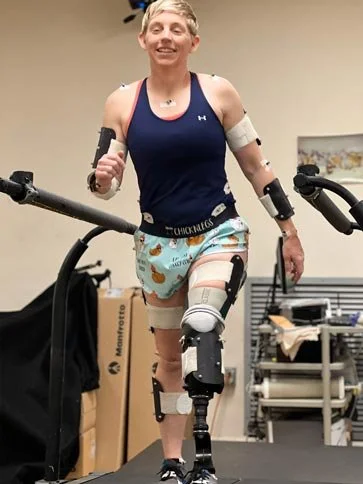
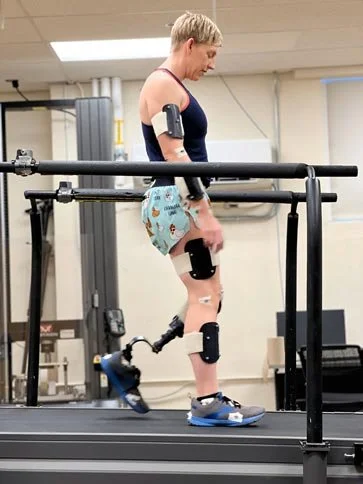
Quorum uses gait studies to analyze movement, stability, and performance, helping guide continued innovation in prosthetic design.
Gait Testing in Motion
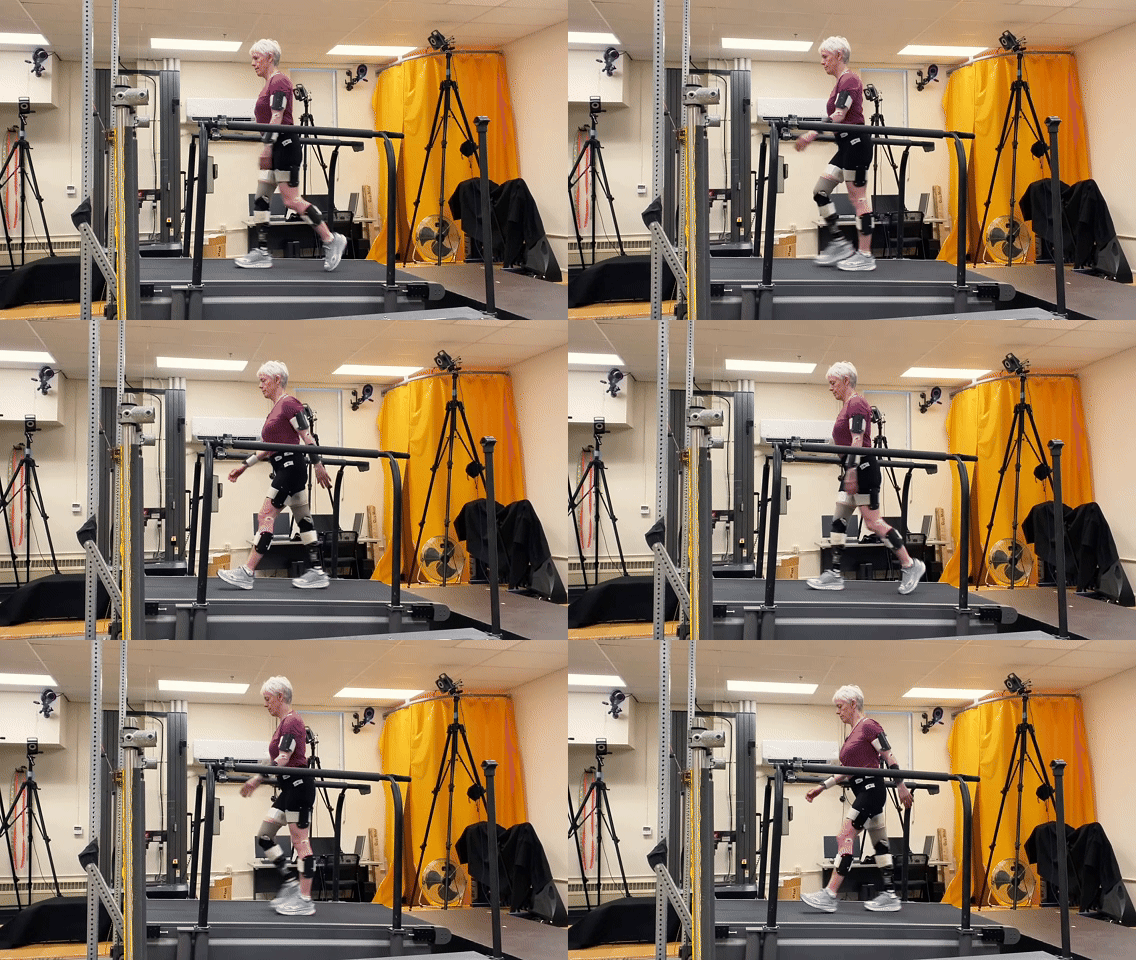
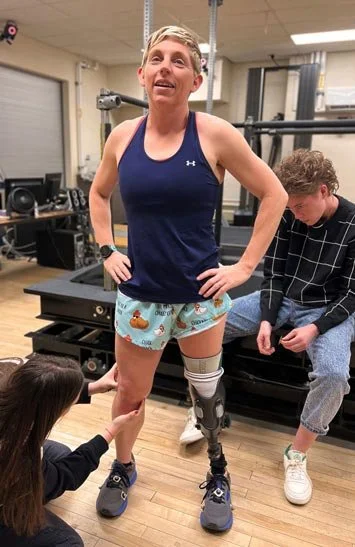
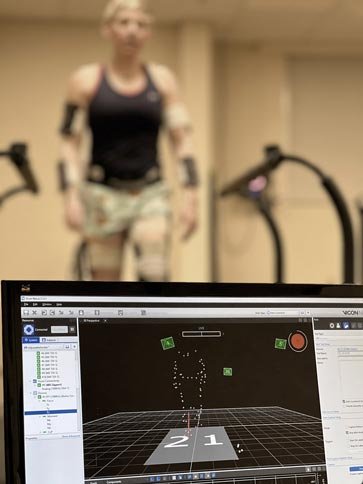
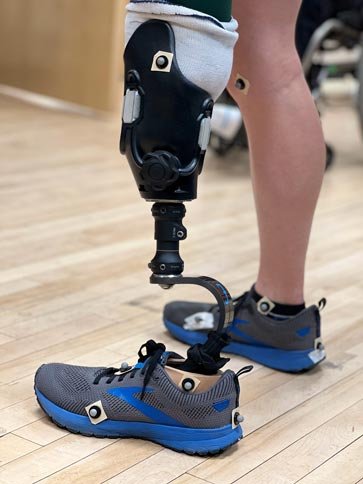
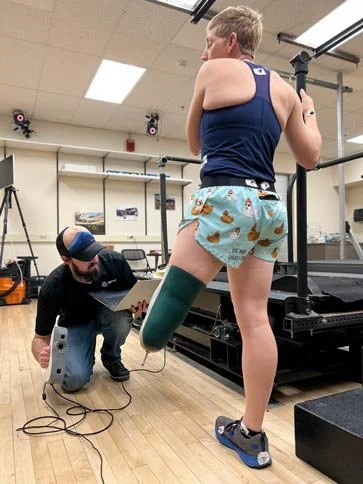
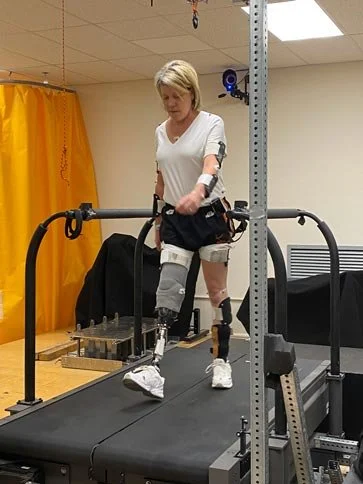
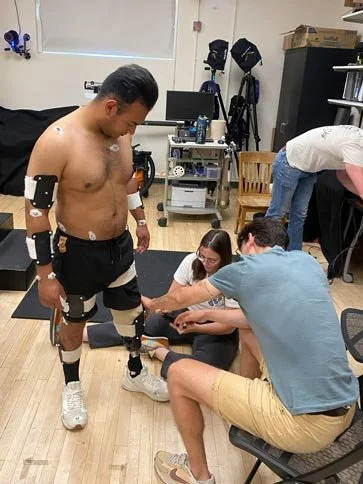
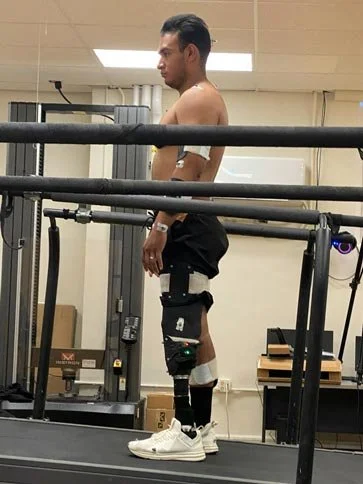
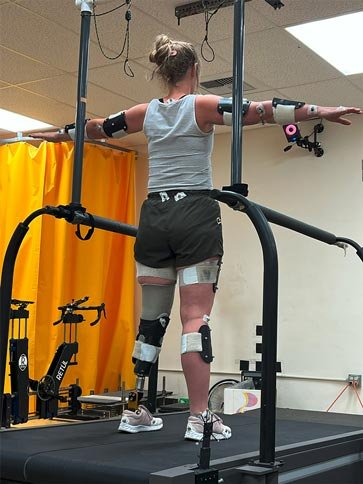
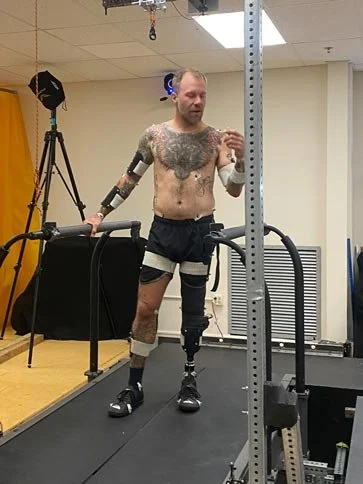
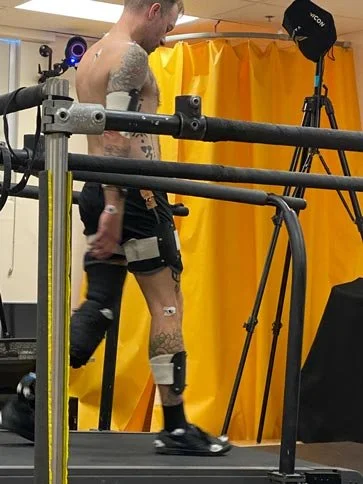
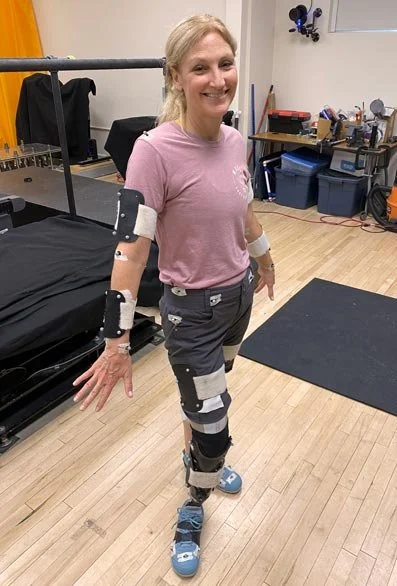
CU Boulder’s Applied Biomechanics Lab evaluated the Quatro Adjustable Socket through gait testing to better understand how it performs during real-world walking.
Measuring Gait Symmetry
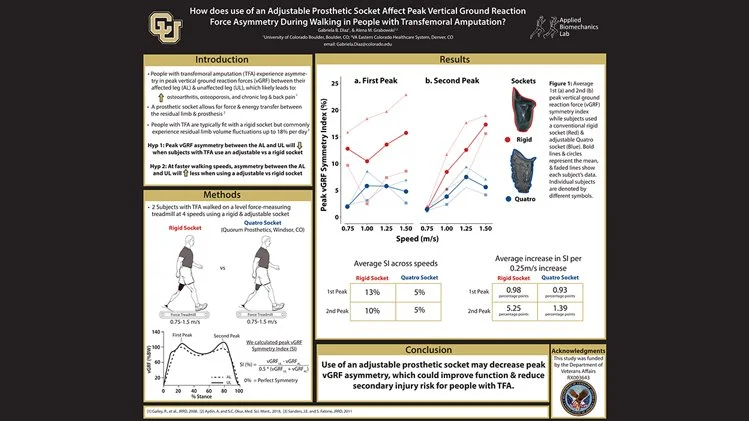
The study suggests that Quatro may help reduce ground reaction force asymmetry, which may support improved mobility and lower injury risk for transfemoral amputees.
Gait Studies
-
![Effects of the Quatro Socket on Gait Symmetry in Adults with Transfemoral Amputation]()
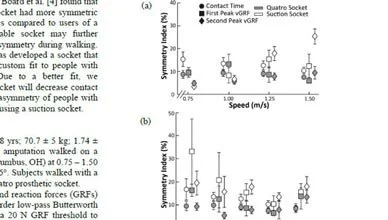
Effects of the Quatro Socket on Gait Symmetry in Adults with Transfemoral Amputation
Does use of the Quatro adjustable socket improve gait symmetry by reducing contact time and peak ground reaction force asymmetry in adults with unilateral transfemoral amputation?
-
![]()
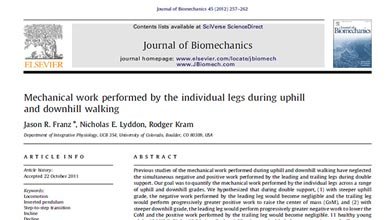
Mechanical Work Performed by the Individual Legs During Uphill and Downhill Walking
Does the Quatro adjustable socket improve walking biomechanics, reduce socket pistoning, and increase comfort compared with a rigid socket in Veterans with lower-limb amputation?
-
![Adjustable Prosthetic Socket Improves Symmetry of Transfemoral Amputees]()
Adjustable Prosthetic Socket Improves Symmetry of Transfemoral Amputees
Can the Quatro adjustable socket improve comfort and reduce gait asymmetry in adults with unilateral transfemoral amputation compared with a standard suction socket?
Featured Innovation:
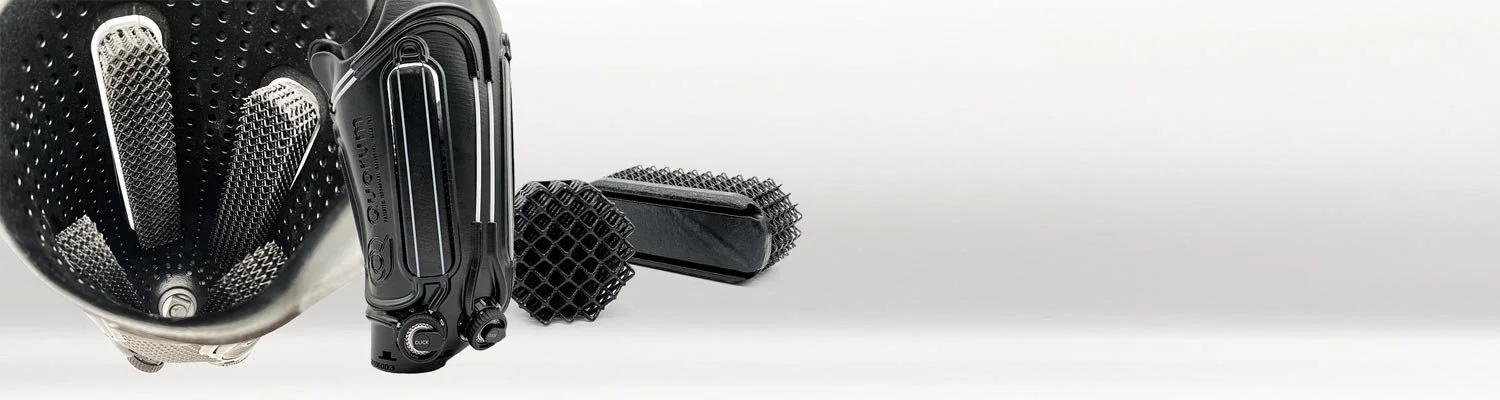
Quatro Adjustable Socket
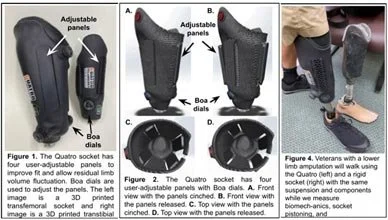
The Quatro Adjustable Socket is one example of how Quorum uses engineering and advanced fabrication to create custom prosthetic technology.
Designed with four replaceable, adjustable panels and a Click dial system, Quatro helps support targeted compression, comfort, and daily fit management.